During winter in Buffalo, Rochester, Syracuse, Albany, and throughout upstate and western New York, cold outdoor air and constant heating can dramatically affect indoor humidity levels. Many homeowners experience dry air, condensation on windows, or discomfort, but aren’t sure what’s normal or what’s best for their home.
Maintaining proper indoor humidity during winter is essential for comfort, energy efficiency, and protecting your home.
Why Indoor Humidity Drops in Winter
Cold winter air holds far less moisture than warm air. When outdoor air enters your home through ventilation, air leaks, or door openings, and is heated, its relative humidity drops even further.
Common contributors to low indoor humidity in winter include:
- Continuous operation of heating systems
- Cold outdoor temperatures
- Tightly sealed homes designed for energy efficiency
- Reduced natural ventilation
With New York winters, these factors often combine to create very dry indoor conditions.
The Ideal Indoor Humidity Level During Winter
For most homes, the ideal indoor humidity level in winter is between 30% and 40%.
This range helps:
- Maintain comfortable air quality
- Reduce static electricity
- Protect wood floors, furniture, and trim
- Minimize excessive window condensation
Humidity levels may need to be adjusted slightly based on outdoor temperatures.Colder weather often requires lower indoor humidity to prevent moisture buildup on windows.
Signs Your Home’s Humidity Is Too Low
Low indoor humidity is common during upstate New York winters. Signs may include:
- Dry skin, eyes, or throat
- Increased static electricity
- Cracking or shrinking wood floors and furniture
- Nasal irritation or sinus discomfort
While dry air can be uncomfortable, it’s often easier to manage than excess moisture.
Signs Your Home’s Humidity Is Too High
Excess indoor humidity can also cause problems, especially in winter.
Warning signs include:
- Persistent condensation on windows
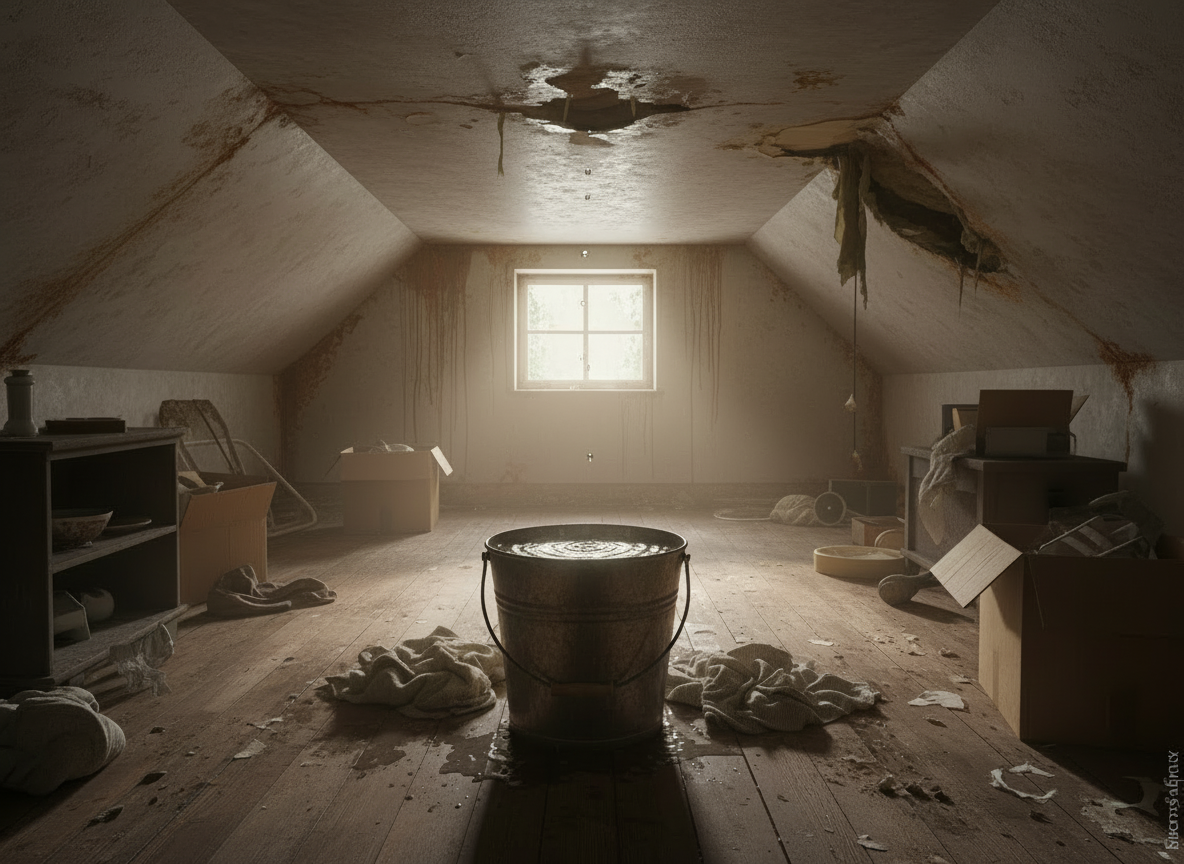
- Moisture buildup on walls or ceilings
- Musty odors
- Mold or mildew growth near windows or vents
High humidity during cold weather can lead to moisture damage if not addressed.
How Indoor Humidity Affects Window Condensation
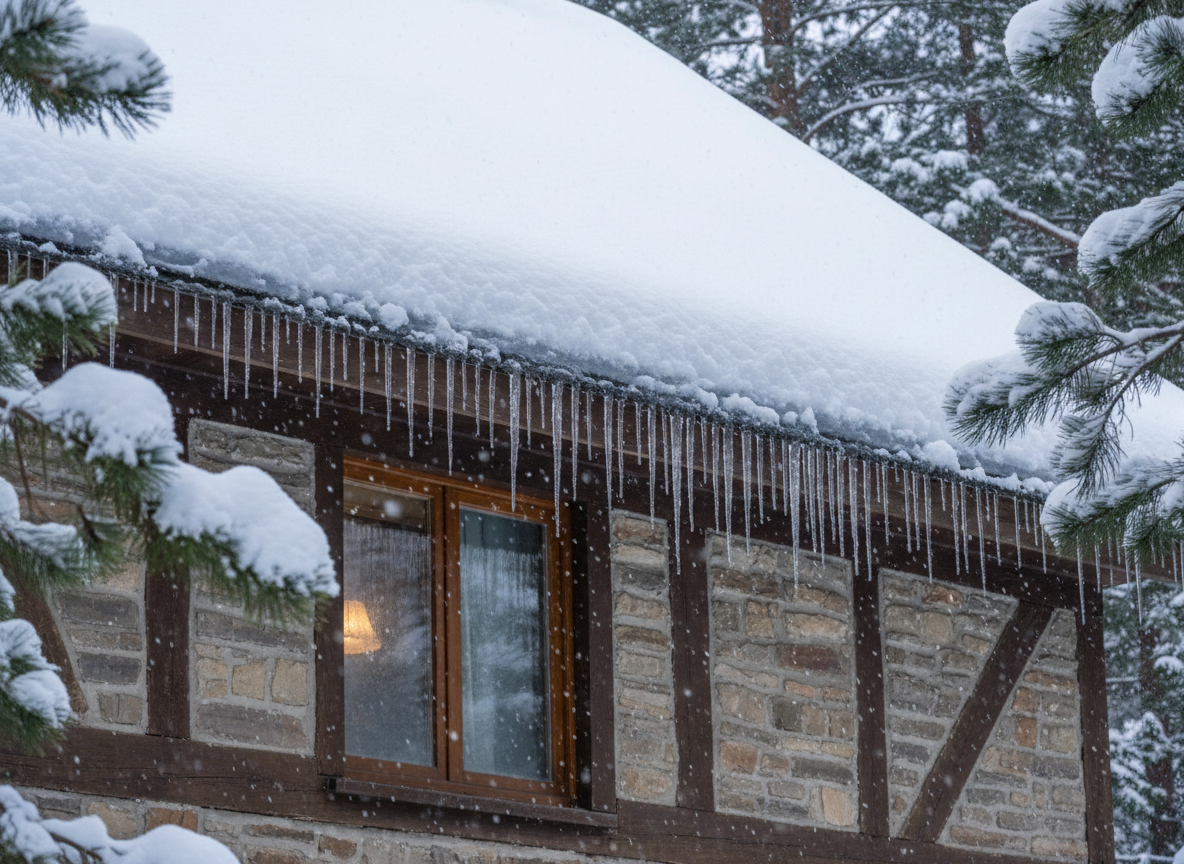
Indoor humidity plays a major role in winter window condensation. When humidity levels are too high, warm indoor air releases moisture when it contacts cold window glass.
This means:
- Some condensation can be normal
- Excessive condensation may signal elevated humidity
- Condensation doesn’t always indicate window failure
Balancing humidity often resolves condensation concerns without requiring window replacement.
How Homeowners Can Manage Indoor Humidity in Winter
Upstate New York homeowners can take steps to maintain healthy humidity levels:
- Use exhaust fans in kitchens and bathrooms
- Run a properly sized humidifier if air is too dry
- Avoid over‑humidifying the home
- Keep air circulating near windows
- Ensure proper ventilation throughout the house
Small adjustments can make a noticeable difference in comfort and moisture control.
When to Seek Professional Guidance
You may want professional advice if:
- Humidity levels fluctuate significantly
- Condensation or moisture damage persists
- Indoor air feels consistently uncomfortable
- You’re unsure how humidity relates to window or insulation performance
A professional evaluation can help identify whether humidity, ventilation, or building materials are contributing to the issue.
How We Can Help
Our team works with homeowners throughout Buffalo, Rochester, Syracuse, Albany, and upstate and western New York to improve comfort, energy efficiency, and indoor air balance.
Whether you’re experiencing dry air, window condensation, or winter comfort concerns, we can help determine the right solution for your home.
Balanced Humidity Means a Healthier Home
Maintaining the ideal indoor humidity level during winter can improve comfort, protect your home, and reduce moisture‑related issues. With the right balance, your home can stay comfortable and healthy, even during the coldest New York winters.
If you have questions about indoor humidity or winter comfort, professional guidance can help you make informed decisions.
Frequently Asked Questions About Indoor Humidity in Winter
What is the ideal indoor humidity level in winter?
For most homes, the ideal indoor humidity level during winter is between 30% and 40%. This range balances comfort while reducing the risk of window condensation and moisture damage.
Why does my home feel so dry in winter?
Cold outdoor air holds less moisture. When that air enters your home and is heated, indoor humidity drops, often causing dry skin, static electricity, and irritation.
Can high humidity cause window condensation in winter?
Yes. When indoor humidity is too high, warm air releases moisture when it contacts cold window glass, leading to condensation. This does not always mean your windows are failing.
Is window condensation always a sign of bad windows?
No. Occasional condensation is common in winter, especially in energy‑efficient homes. It often reflects indoor humidity levels rather than a window problem.
Should I use a humidifier during winter?
Humidifiers can help if indoor air is too dry, but over‑humidifying can cause condensation and moisture issues. Monitoring humidity levels is key.
When should I call a professional about humidity issues?
You should seek professional guidance if condensation is persistent, moisture damage appears, or indoor air feels consistently uncomfortable despite adjustments.
Balanced Humidity Means a Healthier Home
Maintaining the ideal indoor humidity level during winter can improve comfort, protect your home, and reduce moisture‑related issues. With the right balance, your home can stay comfortable and healthy, even during the coldest New York winters.
If you have questions about indoor humidity or winter comfort, professional guidance can help you make informed decisions.
Tags
Subscribe to the Comfort Windows & Doors Blog



Comments