During winter in Buffalo, Rochester, Syracuse, Albany, and across western New York and upstate New York, many homeowners notice moisture forming on their windows. This can be alarming, especially when temperatures drop and heating systems are working overtime. But window condensation does not automatically mean your windows are failing.
Understanding why condensation happens, what’s normal, and when it may signal a problem can help you protect your home and avoid unnecessary worry.
What Is Window Condensation?
Window condensation occurs when warm, moist indoor air comes into contact with a colder surface, such as glass. When the air cools rapidly, it releases moisture in the form of water droplets.
Because winters in upstate New York are cold and often long, the temperature difference between indoor air and window glass can be significant, making condensation more noticeable during this time of year.
Why Window Condensation Is Common in Winter
Condensation is especially common in winter because:
- Homes are sealed more tightly to retain heat
- Indoor humidity increases from cooking, showering, and heating systems
- Outdoor temperatures drop well below indoor temperatures
- Warm air naturally rises and collects near windows
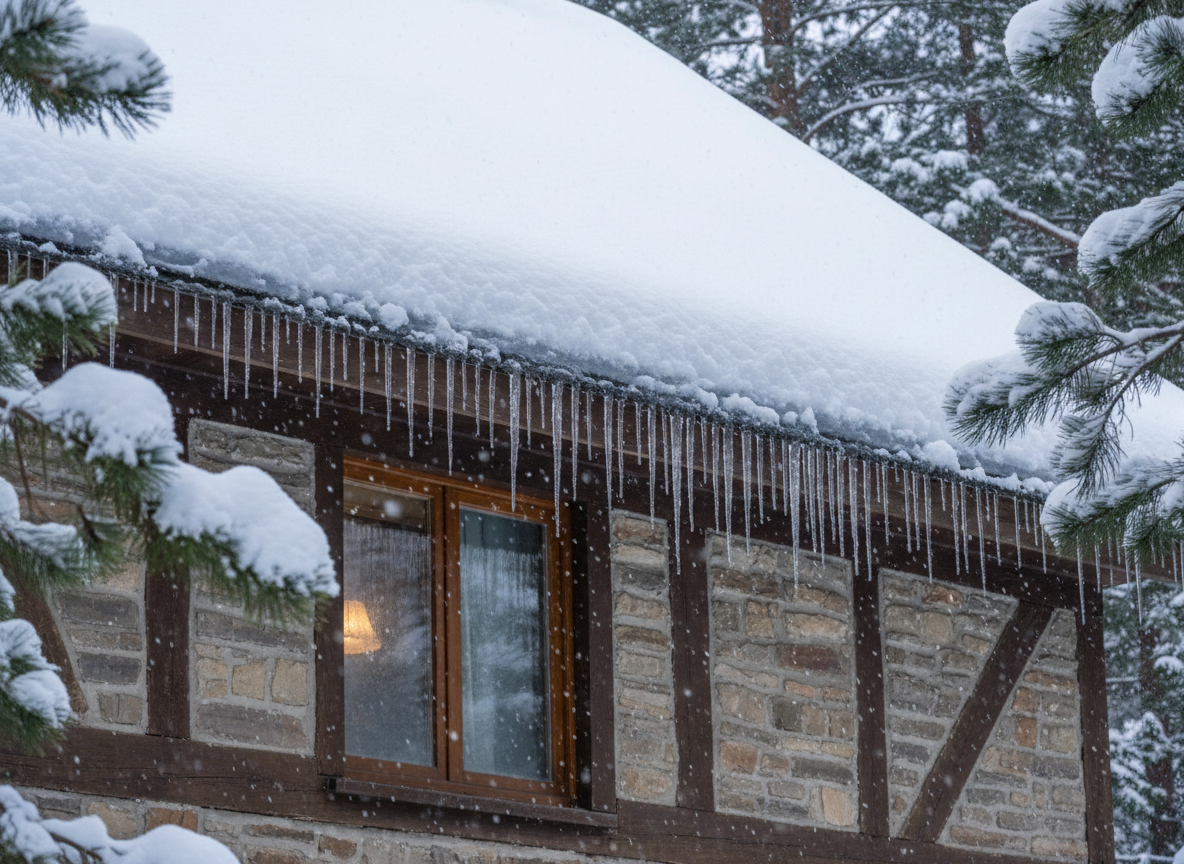
In cities like Buffalo and Rochester, where lake‑effect snow and frigid temperatures are common, condensation can appear even in well‑insulated homes.
Types of Window Condensation (And What They Mean)
Not all condensation is the same. Where the moisture appears can tell you a lot.
Condensation on the Inside of the Glass
This is the most common type of winter window condensation and is usually normal.
It often indicates:
- Higher indoor humidity levels
- Cold outdoor temperatures
- Windows doing their job by separating indoor and outdoor air
This type of condensation is more about indoor air balance than window failure.
Condensation Between Window Panes
Moisture between panes of double‑ or triple‑pane windows can indicate a failed seal.
When this happens:
- Insulating gas may have escaped
- Energy efficiency may be reduced
- The window may no longer perform as designed
This is one situation where professional evaluation is recommended.
Condensation on the Exterior of the Window
Exterior condensation is often a sign of high‑performing, energy‑efficient windows.
It means:
- Indoor heat is not escaping
- The glass remains colder on the outside
- The window is effectively insulating the home
While it may look concerning, this is typically a positive sign.
Does Condensation Mean My Windows Aren’t Working?
Not necessarily.
In many cases, window condensation simply reflects:
- A tight, energy‑efficient home
- Seasonal weather conditions
- Normal indoor humidity levels
Condensation alone does not mean your windows are defective or need replacement.
When Window Condensation Can Become a Problem
While occasional condensation is normal, ongoing moisture issues should be addressed.
You should seek professional guidance if:
- Condensation is constant and excessive
- Moisture is forming between window panes
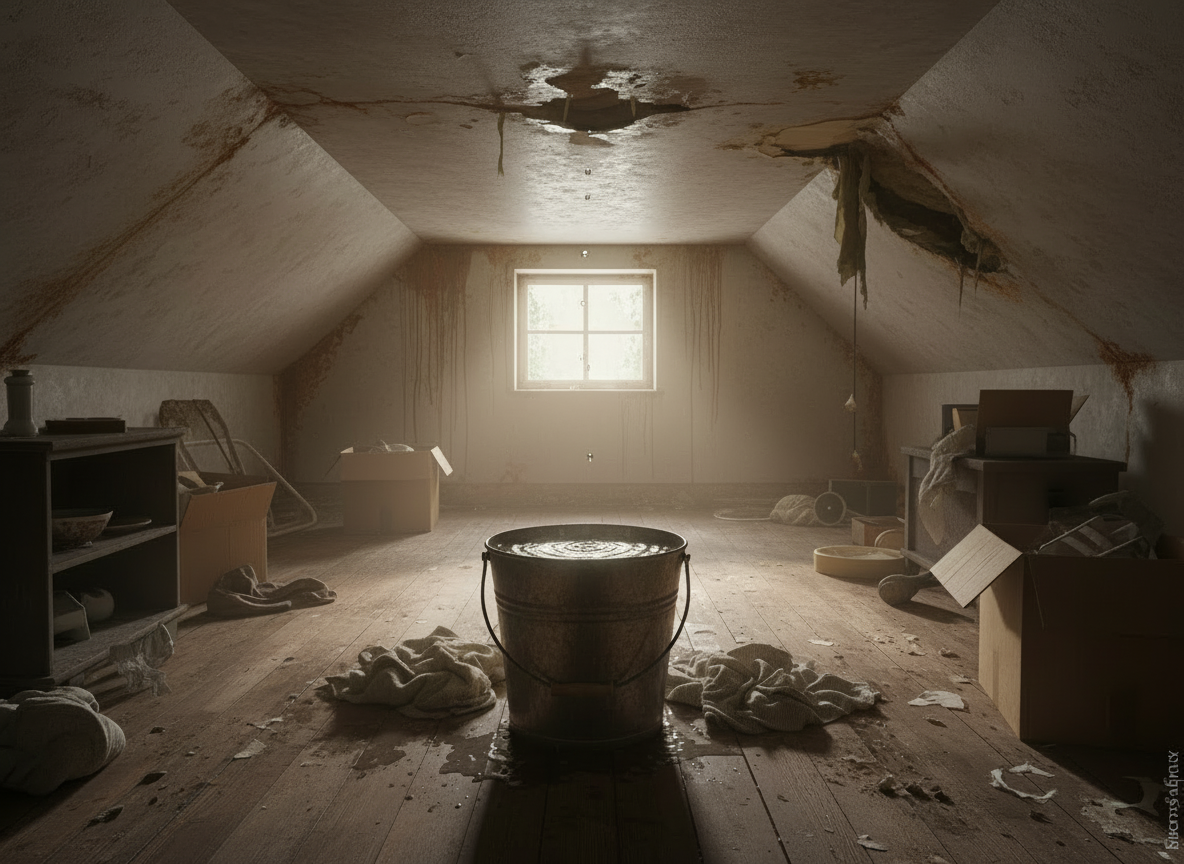
- You notice water damage, peeling paint, or mold near windows
- Drafts or cold spots accompany visible moisture
Persistent condensation can eventually lead to damage around window frames and trim.
How Homeowners Can Reduce Winter Window Condensation
Homeowners in upstate New York can take steps to manage condensation:
- Use bathroom and kitchen exhaust fans
- Maintain balanced indoor humidity levels
- Keep air circulating near windows
- Avoid blocking heat vents with furniture or curtains
These steps can often reduce condensation without requiring window replacement.
How We Can Help
If you’re unsure whether winter window condensation is normal or a sign of a larger issue, our team can help. We work with homeowners throughout the Buffalo, Rochester, Syracuse, and Albany areas, and across all of western and upstate New York to evaluate window performance and recommend appropriate solutions.
Whether it’s improving comfort, addressing moisture concerns, or determining if replacement is necessary, we’re here to provide clear, professional guidance.
Understanding Condensation Brings Peace of Mind
Window condensation during winter is common in upstate and western New York, and it isn’t always a bad thing. Knowing the difference between normal seasonal moisture and a true problem can help you protect your home and make informed decisions.
If you have concerns about your windows this winter, a professional evaluation can provide clarity and confidence.
Tags
Subscribe to the Comfort Windows & Doors Blog



Comments